Winter Driving Safety: Essential Tips for the Season
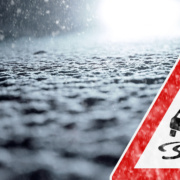
As temperatures begin to plummet and days shorten, winter brings with it a host of unique challenges for drivers. With ice, heavy rain, and snow potentially creating hazardous road conditions, it is crucial to prepare thoroughly for safe travel during the colder months, so here are a few vital winter driving tips to keep you safe on the road.
1. Prioritise Car Maintenance
Before venturing out, ensure your vehicle is winter-ready. A well-maintained vehicle is less prone to breakdowns and accidents in adverse weather. Check your tyres for sufficient tread depth; the UK legal minimum is 1.6mm, but more is better for wet and icy conditions. Regularly inspect and top up fluids such as screen-wash to prevent vision impairment from road grime. A properly serviced vehicle not only runs efficiently but enhances your safety by preventing mechanical failures.
2. Mind Your Speed and Distance
Wet surfaces significantly reduce tyre grip, doubling stopping distances. To compensate, maintain a larger gap from the vehicle ahead. Use the classic two-second rule in dry conditions but extend this to at least four seconds on wet roads for added safety. Always approach turns and junctions at a reduced speed to avoid skidding.
3. Handle Snow and Ice with Care
Driving in snow requires patience and foresight. Start your journey early and avoid harsh acceleration or braking, which could lead to skidding. If you encounter an ice patch, gently lift your foot off the accelerator without applying the brakes, allowing the vehicle to slow naturally.
4. Visibility Matters
Short winter days and poor weather conditions can impair visibility. Regularly clean your windscreen, windows, and mirrors for maximum clarity. Ensure that your lights are functioning correctly, as they are crucial for being seen and seeing others. It’s worth noting that automatic lights may not activate in daytime fog or heavy rain—manually switch them on to ensure proper visibility.
5. Cautiously Navigate Waterlogged Roads
Driving through standing water can be deceptively dangerous. If faced with a flooded road, proceed at a slow and steady pace, ideally staying in the centre where water tends to be shallower. Sudden acceleration through water can create a bow wave, potentially flooding the engine or compromising vehicle control. After traversing a waterlogged section, test your brakes gently to ensure they are working properly.
6. Watch for Fatigue
Cold weather can lead to longer journey times, which may increase driver fatigue. Rest regularly during long trips and stay alert to signs of drowsiness. If you feel tired, take a break, pulling over to a safe place for a short rest could prevent an accident.
7. Pack a Winter Emergency Kit
Be prepared for unexpected situations. Equip your vehicle with essentials such as a blanket, water, snacks, a torch, de-icer, an ice scraper, and a first-aid kit. These items can be a lifeline if your vehicle breaks down or you become stuck, and don’t forget, a fully charged mobile phone or even better, a spare charger and lead.
Final Thoughts
Winter driving can be unpredictable, but taking preventive measures will help ensure your journeys are as safe as possible. From proper car maintenance to defensive driving techniques, checking local weather reports and setting off earlier are sensible and proactive approaches that can make all the difference during the colder months.
Stay safe, drive smart, and prepare for every trip this winter.