
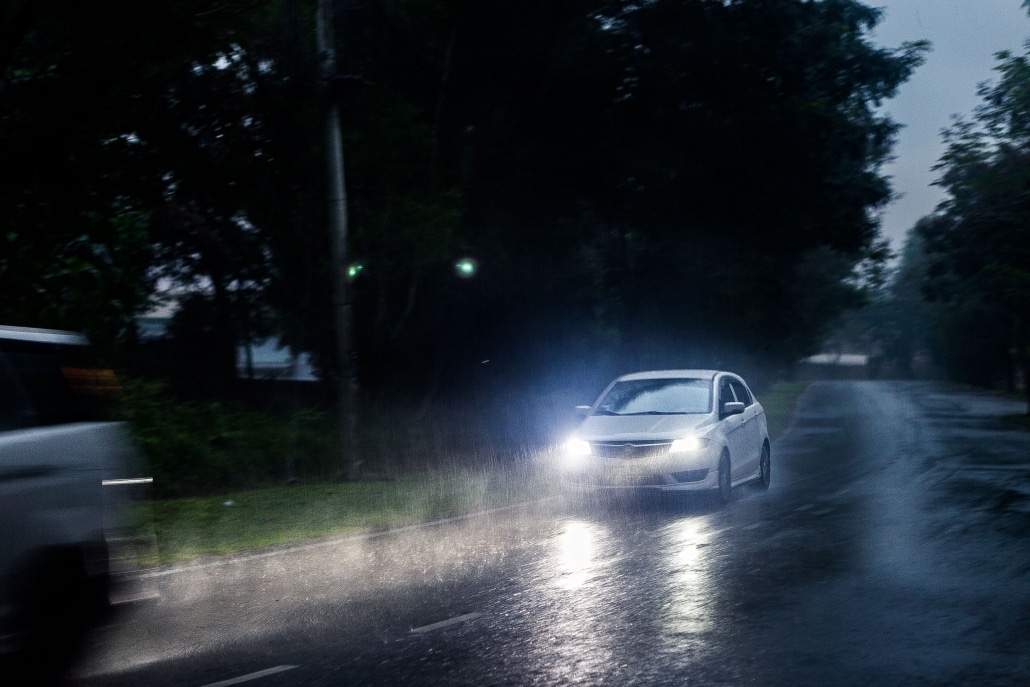
Stay safe in the dark
Did you know that four out of ten collisions happen at night? That’s according to the Royal Society for the Prevention of Accidents (ROSPA).
With the nights drawing in and the clocks having gone back you may find that more of your workforce are driving at in less than perfect conditions – so we thought we’d share some of our top tips for driving in the dark to help keep them safe.
Take a Rest
If you’re driving long distances with work, it’s vital you stop and take a break.
Tiredness can lower you concentration levels and slow your reaction times. Driving in the dark can increase the risk.
If you’re opening the window to try and stay awake you definitely need to be pulling over for a rest.
Plan ahead and try and rest for at least 15 minutes every two hours. As the very well know phrase goes: “Tiredness can kill, take a break.”
Keep an Eye on Your Vision
Did you know that you must be able to read a UK number plate from 20 metres away. If you can’t and you’re caught behind the wheel you could end up having your licence taken off you.
If you’re struggling to read a number plate from that distance – it’s time to book in with your optician and get your eyes checked.
The NHS recommends that you have your eyes tested every two years to make sure there have been no changes.
Car Maintenance is Key
The night’s drawing in – normally goes hand in hand with the weather getting worse.
Make sure your screen-wash is topped up so that if grime from the road does hit your windscreen you can clear it quickly without risking your visibility.
No-one wants to break down but breaking down in the winter in the dark can be even worse so make sure your car or van is serviced annually to try and avoid costly breakdowns.
Stick to the Speed Limit.
You should always stick to the speed limit and in the dark it’s much better to give yourself extra time to react.
Going that little bit slower will help you keep an eye out for any potential hazards including cyclists, dog walkers, wildlife or pedestrians wanting to cross the road as well as giving you more time to take action if needed.
Watch Your Lighting
Today’s vehicles are fitted with so much technology – it can be easy to just press the start button and go without benefitting from it.
Make sure everything’s set to what it should be – especially your lights, and remember, auto on/off lights will not operate in daytime fog, snow or rain, you must turn them on manually!
The glare from oncoming traffic’s headlights can be a distraction – avoid looking into them directly and look at the left-hand side of the road instead. You can also check your beam alignment too so you’re not momentarily blinding oncoming traffic.
If you find the glare of the screen display too much too – most modern cars have the ability to dim it.
If you have staff that drive for work purposes don’t forget under health and safety legislation you have a duty of care to help keep them safe. We can work with you to give them the right training to help reduce the risks on the roads. To find out more about the training we deliver please take a look at our website Training page.


